How AI Medical Imaging Is Powering Precision Healthcare
Artificial Intelligence in Medical Imaging: A New Era of Precision Medicine Artificial intelligence (AI) is radically changing approaches to acquiring, analyzing, and interpreting medical images. This technological transformation opens...
Artificial Intelligence in Medical Imaging: A New Era of Precision Medicine
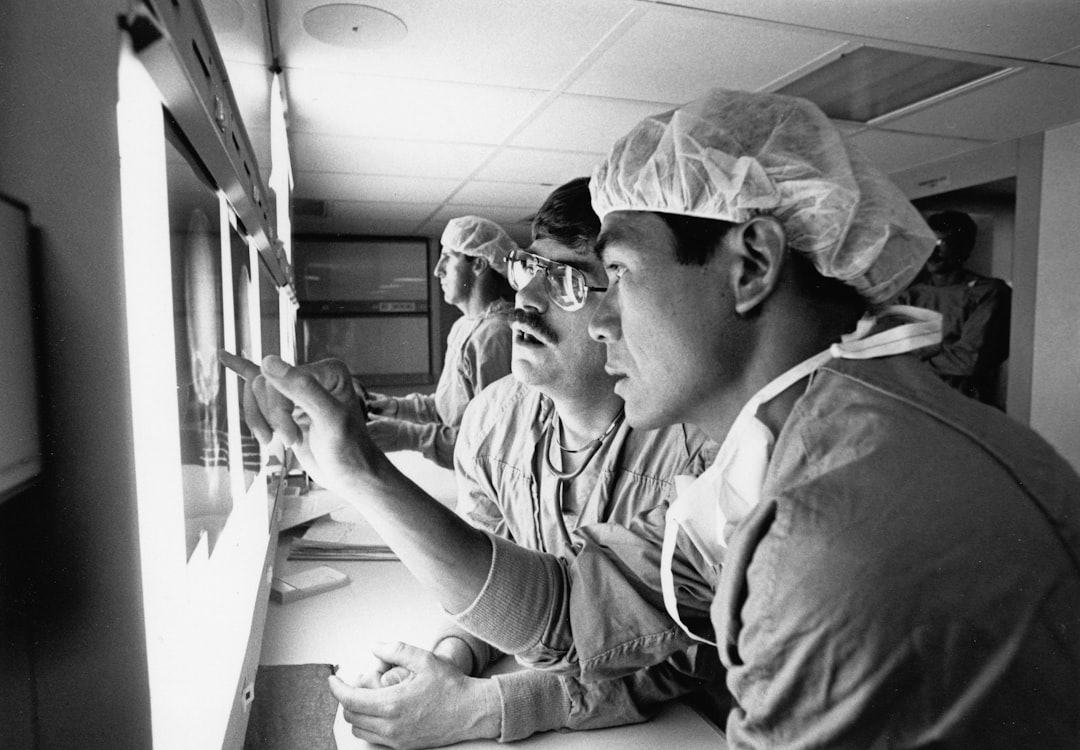
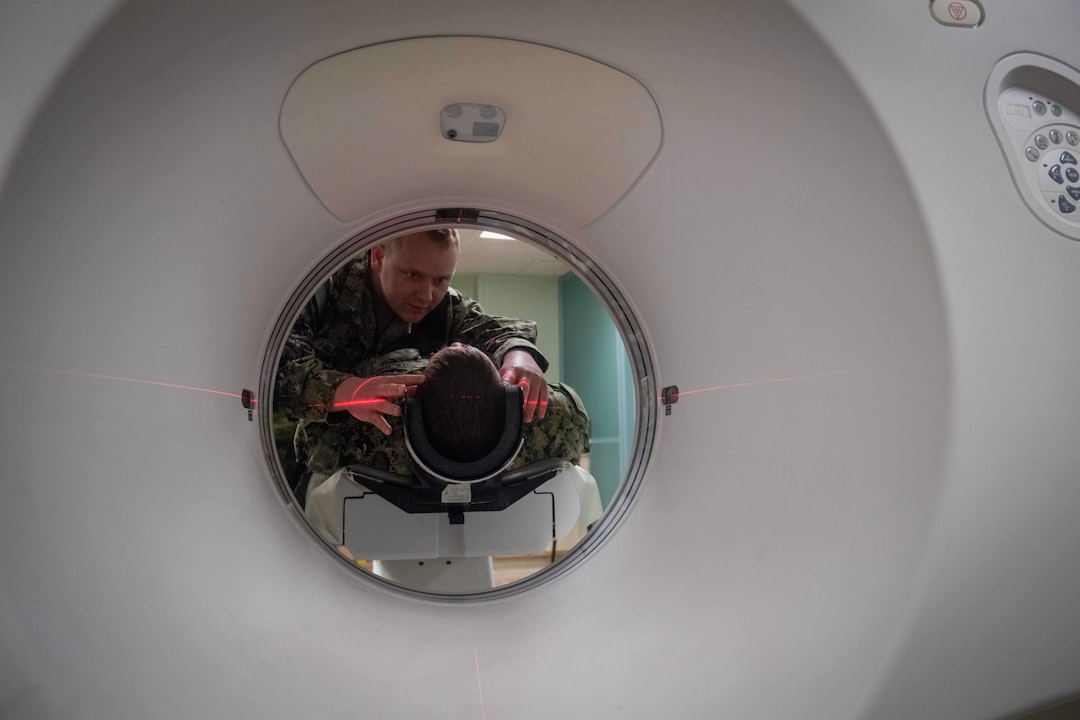
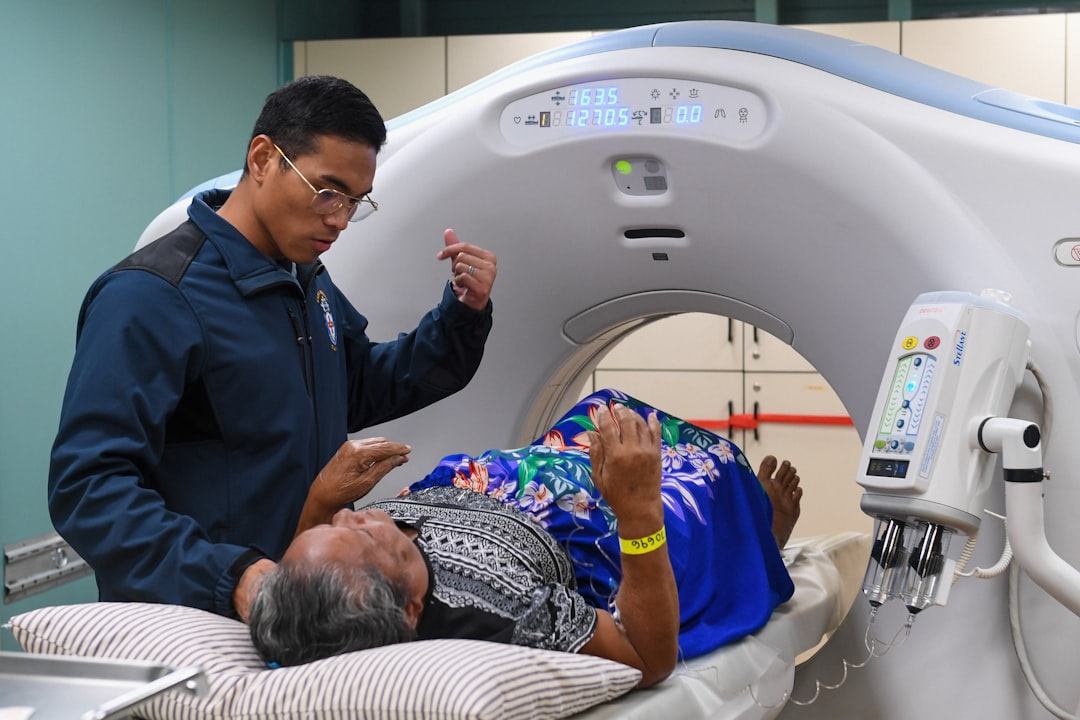
Artificial intelligence (AI) is radically changing approaches to acquiring, analyzing, and interpreting medical images. This technological transformation opens up new horizons for accurate diagnosis and a more personalized approach to patient care. How exactly is AI impacting medical imaging, and how can it be used to improve health and patient well-being?
AI Capabilities in Medical Imaging
Process Automation
The first steps in integrating AI into medical imaging involve process automation. Machine learning algorithms are capable of processing and analyzing images much faster and more accurately than human specialists. For example, methods like convolutional neural networks (CNNs) can recognize patterns in X-rays or MRIs, identifying anomalies that might be missed during traditional interpretation.
Example Code in Python
import numpy as np
import tensorflow as tf
from tensorflow.keras.models import Sequential
from tensorflow.keras.layers import Conv2D, MaxPooling2D, Flatten, Dense

# Define the model
model = Sequential([
    Conv2D(32, (3, 3), activation='relu', input_shape=(128, 128, 1)),
    MaxPooling2D(pool_size=(2, 2)),
    Conv2D(64, (3, 3), activation='relu'),
    MaxPooling2D(pool_size=(2, 2)),
    Flatten(),
    Dense(128, activation='relu'),
    Dense(1, activation='sigmoid')
])

# Compile the model
model.compile(optimizer='adam', loss='binary_crossentropy', metrics=['accuracy'])
This code demonstrates the creation of a simple image classification model, based on supervised learning. Applying this approach can improve the accuracy of pathology detection.
Improved Diagnostic Accuracy
AI not only speeds up processes but also significantly improves diagnostic accuracy. There are numerous examples where AI algorithms have demonstrated results comparable to, or even better than, experienced radiologists. For instance, one study used AI to detect lung cancer in X-ray images, achieving 15% higher accuracy than humans.
Personalized Approach to Treatment
Adaptive Treatment
AI also contributes to a more personalized approach to treatment. Collecting and analyzing large datasets of patient information, including genomic data, can be used to create personalized treatment plans. This allows doctors to offer not just standard treatment regimens, but those that take into account each patient’s individual characteristics.
In the development of adaptive treatment, AI-based algorithms can be used to predict how a patient will respond to a particular therapy, considering both medical data and medical history.
Practical Tips for Integrating AI into Medical Imaging
Step 1: Define Goals
Before begi
ing the integration of AI into medical imaging, it’s necessary to clearly define goals. This may include increasing the speed of diagnosis, improving accuracy, or easing the workload of medical perso
el.
Step 2: Technology Selection
Choosing the appropriate technologies and platforms for developing AI solutions is crucial. Popular libraries, such as TensorFlow and PyTorch, offer ready-made tools for creating and training deep learning models.
Step 3: Data Collection
The success of AI implementation in medical imaging largely depends on the quality of the data. Collect a dataset representing various aspects of the disease so that your models can learn and accurately predict outcomes.
Step 4: Training and Testing
Train your models on the collected data and test them on separate samples that were not used during the training process. This helps avoid overfitting and ensures good generalization ability.
Conclusion
AI in medical imaging represents an incredible step forward in healthcare. These technologies not only allow for a change in the approach to diagnosis but also help transition to more personalized medicine. The integration of AI promises to not only increase the efficiency and accuracy of medical services but also significantly improve the overall patient treatment experience. Careful attention to the development and implementation process of AI solutions will help realize the potential of this technology for the benefit of medicine.