AI in Product teams: In 2026, the growing impact on collaboration
AI in Product Teams: Enhanced Influence on Collaboration by 2026 The past years have been a time of experimentation and realization of AI\'s potential in product development. We have...
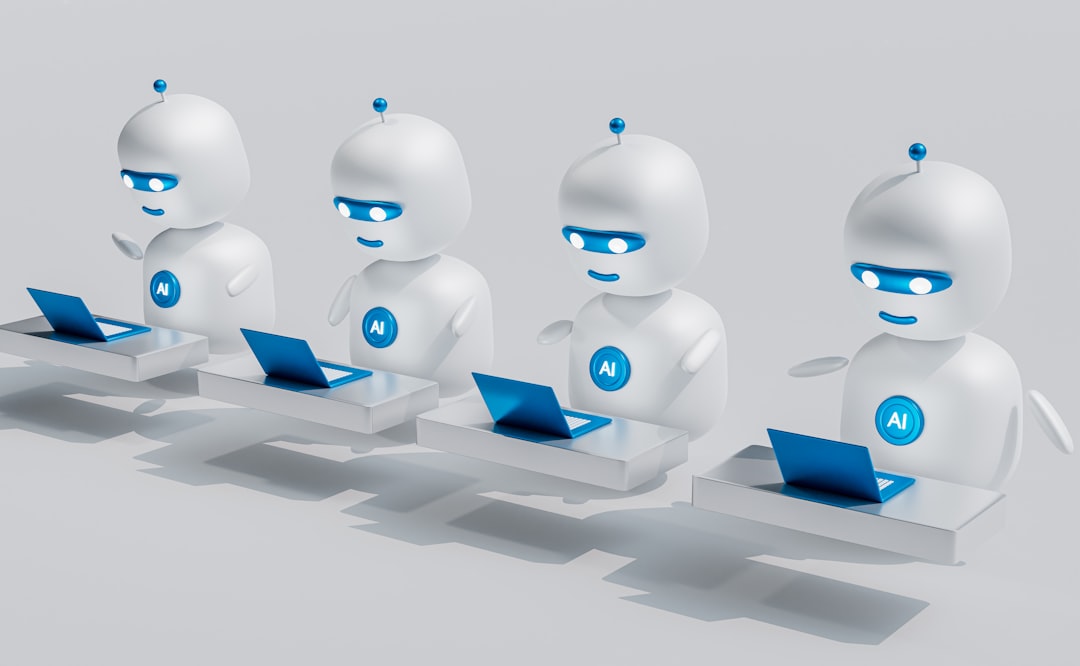
AI in Product Teams: Enhanced Influence on Collaboration by 2026
The past years have been a time of experimentation and realization of AI's potential in product development. We have witnessed a surge of tools for generating code, design, and text. But 2026 is the moment when artificial intelligence ceases to be just a "task-assisting helper" and begins to fundamentally transform how product teams (designers, developers, managers, analysts) interact with each other. This is about a new paradigm of collaboration where AI acts as an active mediator, translator, and catalyst for shared understanding.
From Isolated Tools to an Integrated Ecosystem
Early AI tools were isolated islands. A designer used generative AI to create mockups, a developer used Copilot to write code, a manager used ChatGPT to draft a PRD. The problem remained the same: fragmentation of data and context. In 2026, we see these worlds converging.
H3: A Unified Product Context Model
The key development will be the emergence of platforms that create and maintain a single, dynamic product model, accessible and "understandable" to AI. This model will include:
- Code and its documentation (including automatically generated comments and architectural diagrams).
- Design artifacts (from sketches to high-fidelity prototypes with interactive states).
- User research (interview transcripts, metrics, empathy maps).
- Business metrics and goals (OKRs, A/B test data).
An AI agent with access to this model will be able to answer cross-functional questions. For example: > "Show all interface components affected by the task 'simplify the subscription checkout process,' and what user pains from the latest research are related to this?"
Example pseudocode for a query to such a system:
# Query to the product AI platform
product_context = PlatformAIContext(
    goal=\"optimize_checkout\",
    components=[\"button\", \"form\", \"payment_gateway\"],
    data_sources=[\"last_usability_test\", \"analytics_funnel\", \"customer_support_tickets\"]
)

ai_response = product_ai_agent.analyze_impact(
    context=product_context,
    question=\"Where are the main friction points and what design solutions are being proposed?\"
)
print(ai_response.suggested_collaboration_actions)
# Output: \"Schedule a workshop for designers and frontend developers on the Form component.
# Priority: high. Links to relevant user feedback: [links]\"
AI as a Universal Translator Between Disciplines
One of the major problems in a team is the gap in terminology and mental models between designers, developers, and managers. AI in 2026 will become a powerful "translator."
- From design to code: Tools already generate code from mockups today. Tomorrow, they will explain why a particular UI pattern was chosen from a usability perspective, and offer the developer several equivalent technical implementations with an assessment of their performance.
- From data to insights: Instead of raw charts and numbers, AI will form narratives: "The task completion time metric increased by 15% after the redesign, but according to qualitative data, users feel more in control. It is recommended to conduct a usability test on the understanding of the new interface."
- From requirements to specifications: A product manager sketches an idea in natural language. AI structures it into a draft PRD, automatically highlights contradictory requirements, proposes a user story map, and even predicts potential technical complexities.
Practical Tips for Preparing Your Team for 2026
- Invest in knowledge structuring. Start creating a single, well-organized knowledge base now. The higher the quality of your current data (documentation, research, metrics), the more effectively the future AI will work.
- Develop "AI literacy." Conduct internal workshops where the team learns to formulate effective prompts (prompt engineering) for AI, understand its limitations, and critically evaluate its outputs.
- Implement "pilot AI mediators." Choose one specific point of collaboration (e.g., discussing a new feature between a designer and a developer) and implement a tool there that helps formalize the dialogue (recording decisions, creating tickets from chats).
- Focus on critical thinking and strategy. As AI takes over routine tasks, the value of team members will shift to the ability to ask the right questions, make complex decisions based on AI analysis, and build product strategy.
New Challenges and Ethical Aspects
With the advent of deep AI integration, new questions will arise:
- Responsibility: Who is responsible for a decision proposed by AI? The team must retain final control and accountability.
- Focus shift: The risk of "optimizing" only for what is easily measurable and automatable, at the expense of creativity and non-obvious insights.
- Confidentiality: The unified product context model is a hub of sensitive data. Requirements for security and access management will increase manifold.
Conclusion
By 2026, AI will become not just another tool in the product team's arsenal, but a new layer of intellectual infrastructure for collaboration. It will remove communication barriers, accelerate the translation of ideas between specialists, and free up human potential for the most complex and creative work: understanding real human needs and creating products that matter. Success will belong not to those who use the most AI tools, but to those who learn to build the most effective and critically mindful working relationships with them.